You’re chatting with someone, and they suddenly end their message with “))))” or “hagd.” You pause. What does that mean? Are they being friendly, sarcastic, or just ending the conversation quickly?
These small text symbols and abbreviations can be confusing, especially since their meaning changes depending on tone, platform, and who is using them. A simple “))))” might signal laughter—or awkwardness. “HAGD” might sound polite—or distant.
In today’s fast-paced digital communication, understanding these subtle cues matters. Misreading them can lead to confusion, missed signals, or even awkward replies.
This guide breaks everything down clearly. You’ll learn what “))))” and “HAGD” really mean, how people use them in different contexts, and how to use them correctly yourself—without second-guessing.
Quick Definition of “))))” & “HAGD”
“))))” in text means laughter, friendliness, or a soft emotional tone—often used to make a message feel warmer or less serious.
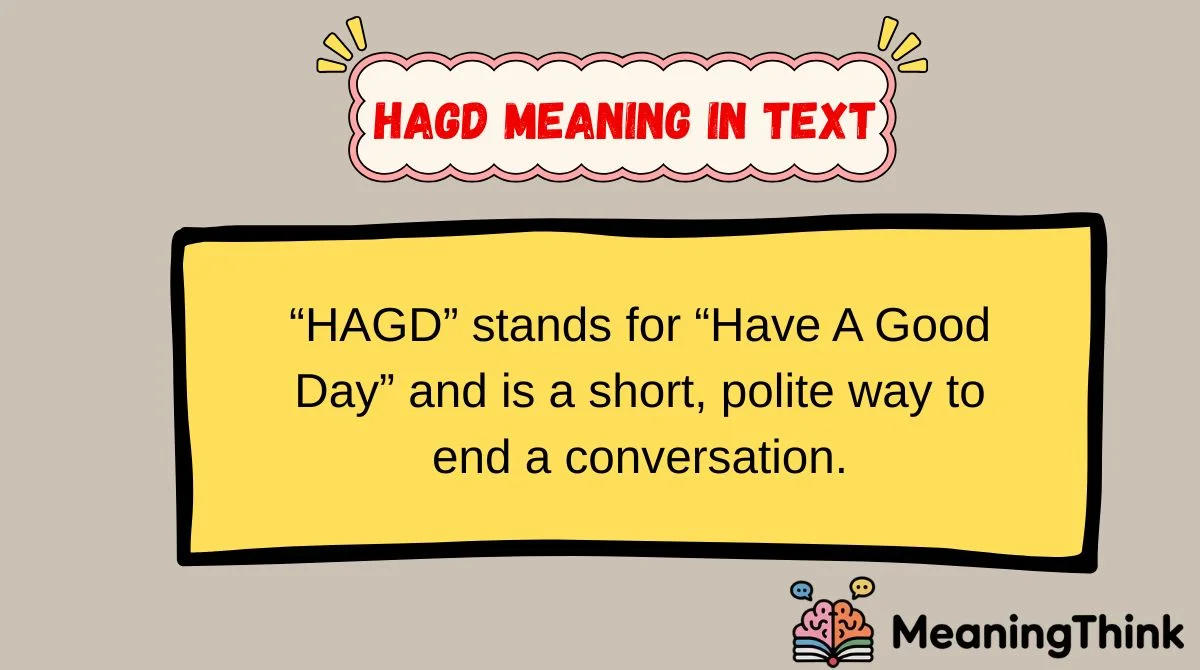
“HAGD” stands for “Have A Good Day” and is a short, polite way to end a conversation.
Secondary meanings:
- “))))” can also show awkwardness, nervousness, or sarcasm depending on context
- “HAGD” may feel either friendly or distant depending on tone and relationship
Detailed Meaning Breakdown
Primary Meaning of “))))”
“))))” is a text-based emotional cue. It comes from the classic smiley face “:)” but expanded.
- More parentheses = stronger emotion
- Usually signals warmth, friendliness, or light laughter
- Often replaces emojis in simple texting
Example:
- “That was funny ))))” → gentle laughter, not intense
Secondary Meanings of “))))”
- Awkward laughter: covering discomfort
- Softening tone: making a message seem less harsh
- Sarcasm (rare): depends heavily on context
Example:
- “Yeah sure ))))” → could be passive-aggressive
Rare Meanings
- In some regions, especially Eastern Europe or Russia, “))))” is used instead of emojis
- Can simply mean “I’m being nice” without real laughter
Primary Meaning of “HAGD”
“HAGD” stands for:
- Have A Good Day
It is commonly used to:
- End conversations politely
- Show basic friendliness
- Close chats quickly
Example:
- “Talk later, hagd!” → polite goodbye
Secondary Meanings of “HAGD”
- Neutral ending with no emotional depth
- Slightly distant or formal tone
- Quick exit from conversation
Rare Meanings
- Sometimes used sarcastically, especially if conversation was tense
Example:
- “Whatever. HAGD.” → dismissive tone
What “))))” & “HAGD” Mean in Different Situations
Everyday Texting
- “))))” = casual friendliness or laughter
- “HAGD” = polite way to end chat
Example:
- “That was fun ))))” → warm tone
- “Okay bye hagd” → neutral closing
Social Media Platforms
- “))))” is used in comments to react lightly
- “HAGD” is less common but still used in replies
Example:
- “This meme ))))” → amused reaction
Dating & Relationships
- “))))” = soft, friendly, sometimes flirty
- “HAGD” = can feel distant if overused
Example:
- “Goodnight ))))” → caring tone
- “HAGD” → may feel like ending conversation quickly
Professional Communication
- “))))” is usually inappropriate
- “HAGD” can be acceptable in casual work chats
Example:
- “Thanks, have a good day” → better than “HAGD” in formal settings
Cultural or Regional Differences
- “))))” is widely used in Eastern Europe as a normal smile
- In Western contexts, it may feel informal or unclear
“HAGD” is more common in English-speaking online culture
Psychological & Tone Analysis
Why People Use “))))”
- To soften messages
- To appear friendly
- To avoid sounding cold
It acts like a “tone helper” in text where voice is missing.
What It Signals Socially
- Openness
- Warmth
- Non-aggressive intent
But sometimes:
- Nervousness
- Trying too hard to be polite
Why People Use “HAGD”
- Quick politeness
- Habitual closing phrase
- Avoiding longer goodbyes
Emotional Layer Behind It
- “))))” → emotional expression
- “HAGD” → social politeness
One shows feeling, the other shows structure.
15 Real Conversation Examples (Explained)
- “That joke was good ))))”
→ Light laughter, friendly tone - “I guess that works ))))”
→ Slight uncertainty or softness - “Okay ))))”
→ Could be polite or passive-aggressive - “You’re funny ))))”
→ Warm compliment - “Sure ))))”
→ Possibly reluctant agreement - “Bye hagd”
→ Neutral ending - “Talk later, hagd!”
→ Friendly goodbye - “Ok thanks hagd”
→ Polite but slightly distant - “Whatever. HAGD.”
→ Sarcastic or annoyed - “Goodnight ))))”
→ Caring tone - “Fine ))))”
→ Could hide frustration - “See you tomorrow, hagd”
→ Simple, polite close - “That was awkward ))))”
→ Self-aware humor - “I’ll try ))))”
→ Uncertainty - “Alright, hagd 😊”
→ Friendly and warm (emoji softens it)
When “))))” & “HAGD” Can Be Misunderstood
Context Confusion
- “))))” can seem sarcastic
- “HAGD” can feel dismissive
Generational Gap
- Younger users may prefer emojis instead
- Older users may use abbreviations more
Platform Differences
- “))))” common in messaging apps
- Less common in professional platforms
Similar Words, Symbols, or Abbreviations
- LOL – Laughing out loud
- LMAO – Strong laughter
- 🙂 – Basic smile
- 😂 – Strong laughter emoji
- BRB – Be right back
- TTYL – Talk to you later
- GN – Good night
- TC – Take care
- ILY – I love you
- TY – Thank you
When Not to Use “))))” or “HAGD”
Professional Risks
- Avoid “))))” in emails or formal chats
- “HAGD” may seem too casual
Cultural Risks
- Some people may not understand “))))”
- Abbreviations may confuse non-native speakers
Tone Risks
- “))))” can look passive-aggressive
- “HAGD” can feel cold if overused
Expert Tips for Using “))))” Correctly
- Use “))))” to soften friendly messages
- Avoid overusing it—it can look forced
- Pair it with clear words to avoid confusion
- Don’t use it in serious discussions
- Use “HAGD” only in casual conversations
- Add emojis if you want more warmth
- Match the other person’s tone
- Be careful with short replies—they can seem rude
FAQs
What does “))))” mean in texting?
It usually means light laughter or friendliness, but can also signal awkwardness depending on context.
Is “))))” the same as laughing?
Yes, but it’s softer than “LOL” or “😂”.
What does HAGD stand for?
It stands for “Have A Good Day.”
Is HAGD rude?
Not necessarily, but it can feel distant if used abruptly.
Can “))))” be sarcastic?
Yes, in certain contexts it may sound passive-aggressive.
Should I use “))))” in professional messages?
No, it’s too informal.
Is HAGD formal or casual?
It’s semi-casual—fine for friendly chats, not formal emails.
Why do some people use “))))” instead of emojis?
It’s quicker to type and part of certain cultural texting habits.
Final Summary &
“))))” and “HAGD” may look simple, but they carry subtle meaning.
- “))))” adds emotion, warmth, and tone
- “HAGD” provides polite closure
Used correctly, they make conversations smoother and more human. Used poorly, they can create confusion or distance.
The key is awareness. Always consider:
- Your relationship with the person
- The tone of the conversation
- The platform you’re using
When in doubt, choose clarity over shortcuts.
Master these small details, and your digital communication will instantly feel more natural, confident, and effective.